My Health Story Is Mine to Tell
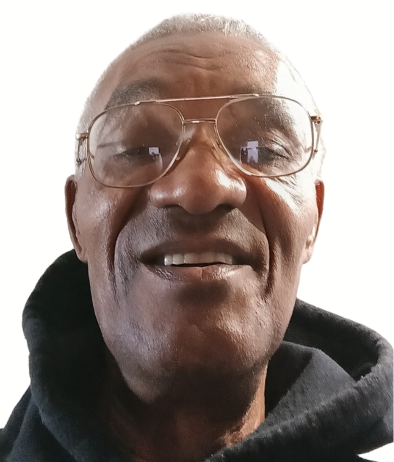
By Mark DeBrady

In the past two years, I have had prostate cancer surgery, fractured my spine after being struck by a truck while riding my bike, and started seeing doctors for glaucoma and diabetes. Before all of that, I spent years dealing with addiction before entering recovery three years ago. I also have a mental health history that I carry with me.
That is a lot of information.
Every time I walk into a new exam room, I face a question that never fully goes away: how much of my story does this doctor need to know? And who gets to decide?
I want to be thought of as a person, not as a case file.

Why I Care About Who Sees My Records
Having full access to my complete medical record is beneficial for both my healthcare providers and me. As someone who sees multiple specialists, my doctors and I need seamless access to test results, prescriptions, and records of previous procedures. This transparency makes navigating care easier and safer.
I do not have to walk into every appointment and explain what happened at the last one. And my doctors can check whether a medication one specialist ordered might conflict with something another has already prescribed. Before Connie, that kind of coordination did not exist for me.
But behavioral health data is different. My history and my mental health background can change how a provider sees me before a single word is spoken. I have felt it: that look when a doctor learns about my past. The expression that says: "Another addict. Here we go again." There is no medication for that kind of stigma. But there are ways to protect yourself from it.
What Connie's Consent Tools Mean for Patients Like Me

Connie was recently awarded a federal pilot grant to build an electronic consent management system for behavioral health data. The system will let patients flag sensitive substance use disorder records and decide whether that information gets shared, with whom, and when. That data will not even enter Connie unless a patient decides to allow it. Over the next year, Connie plans to extend the same kind of consent options to mental health data.
I serve on Connie's Patient and Family Advisory Committee, and I was already a believer in what a health information exchange can do for patients navigating complex care.
Sometimes my addiction history is relevant to my care. Sometimes it is not. The point is that the decision belongs to me. I can get to know a provider before I hand them the most private parts of my life. I can protect myself from being defined by my past before I have a chance to be seen as a whole person.
Control Builds Trust
I know it might seem like limiting what your doctor knows about you is the wrong move. But for people with behavioral health histories, the calculation is more complicated than that. I work as a certified recovery coach, and I see regularly how fear of being judged stops people from seeking care in the first place. That fear is not irrational.
Consent tools do not solve stigma, but they give patients more control over the conditions under which they seek care. When people feel more in control, they are more likely to engage with their healthcare, not less.
For me, having access to my own records, being able to look at my test results, track what my doctors have ordered, and share information on my own terms, is something I never had before. If a doctor suggests I need a procedure, I can look at the evidence myself. I can seek a second opinion with my records already in hand.
What I Want Other Connecticut Residents to Know
I found Connie through community research and social media. I joined the Patient and Family Advisory Committee because I wanted to be useful and because I believe in advocating for the people around me, many of whom face the same barriers I have. I am open about my history because I think it matters for others to hear that recovery is possible and that you deserve dignified care on the other side of it.
Connie is not something to be wary of. It is a tool that is getting more responsive to the real concerns patients have about how their most sensitive health information is handled. The consent management work underway is proof of that.
Nobody should have to choose between getting care and protecting their story.
Mark DeBrady is a certified recovery coach and a member of Connie's Patient and Family Advisory Committee. He lives in New Haven, Connecticut.
To learn more about Connie and how Connecticut residents can access their health information, visit conniect.org.